

As Why Data Analytics is the Backbone of Successful Financial Services Agencies takes center stage, this opening passage beckons readers with a captivating overview. It delves into the pivotal role data analytics plays in shaping the success of financial services agencies, offering a glimpse into the transformative power of data-driven insights.
Introduction to Data Analytics in Financial Services
Data analytics plays a crucial role in the financial industry by utilizing data to gain valuable insights, make informed decisions, and improve overall efficiency. This technology has revolutionized financial services by enabling agencies to analyze vast amounts of data quickly and accurately, leading to better risk management, fraud detection, customer segmentation, and personalized marketing strategies.Data Analytics Applications in Financial Agencies
- Risk Management: Financial agencies use data analytics to assess and mitigate risks by analyzing historical data to predict potential future risks and develop strategies to minimize them.
- Fraud Detection: Data analytics helps financial institutions detect fraudulent activities by analyzing patterns and anomalies in transactions, allowing them to take immediate action to prevent financial losses.
- Customer Segmentation: By utilizing data analytics, financial agencies can segment their customer base based on behavior, preferences, and demographics to offer personalized services and products tailored to individual needs.
- Personalized Marketing Strategies: Data analytics enables financial services agencies to create targeted marketing campaigns by analyzing customer data to understand their needs, behaviors, and preferences, resulting in more effective marketing strategies and higher customer engagement.
Importance of Data Analytics for Financial Agencies
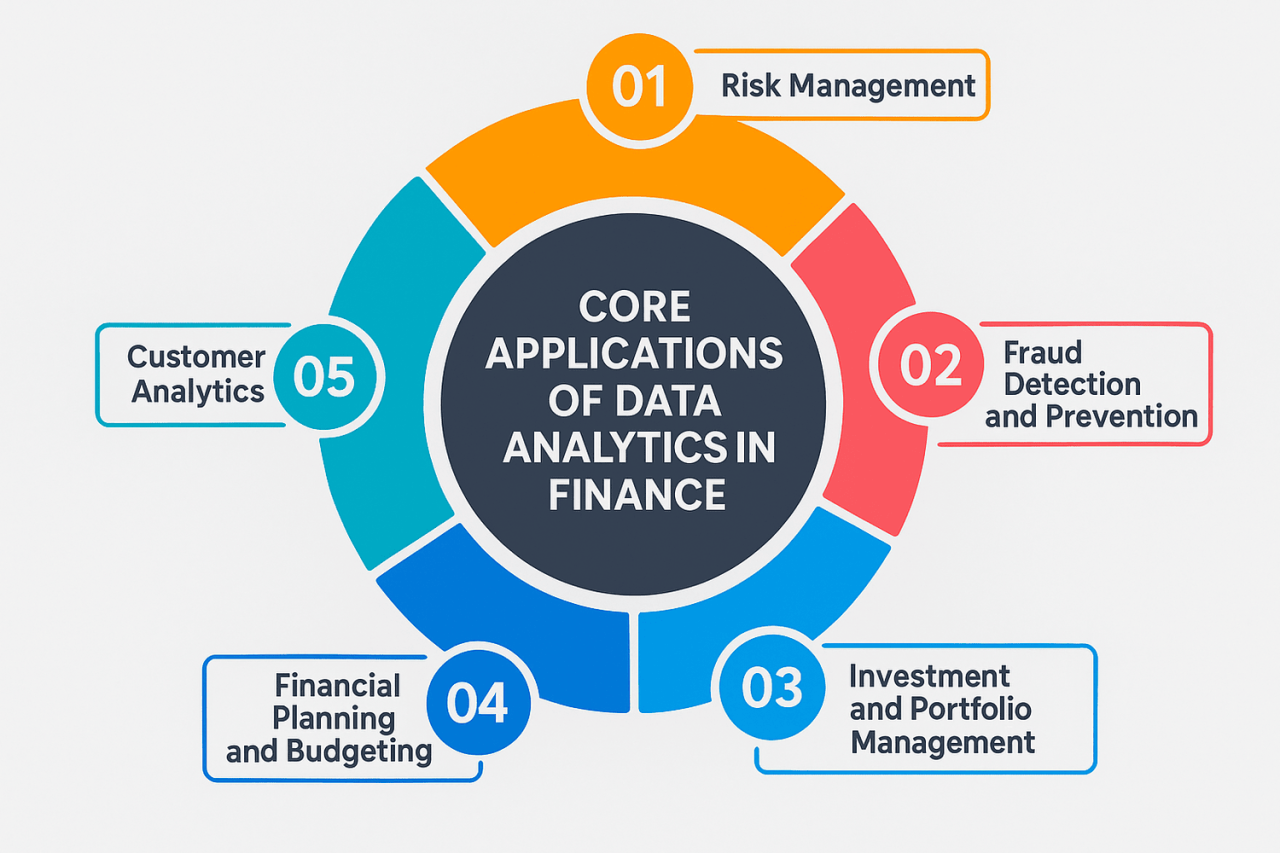 Data analytics plays a crucial role in the success of financial services agencies by providing valuable insights that help in various aspects of their operations.
Risk Management in Financial Services
Data analytics enables financial agencies to assess and mitigate risks effectively by analyzing historical data, identifying patterns, and predicting potential risks. By leveraging advanced analytics tools, agencies can make informed decisions to minimize risks and safeguard their assets.Impact on Decision-Making Processes
Data analytics empowers financial agencies to make data-driven decisions quickly and accurately. By analyzing vast amounts of data, agencies can gain valuable insights into market trends, customer behavior, and investment opportunities. This enables them to make informed decisions that are aligned with their business objectives and drive profitability.Benefits for Fraud Detection and Prevention
Data analytics is instrumental in detecting and preventing fraudulent activities in financial services. By analyzing transaction data in real-time, agencies can identify suspicious patterns and anomalies that indicate potential fraud. This proactive approach helps agencies to mitigate risks, protect their customers, and maintain trust in the financial system.Data Sources and Collection Methods
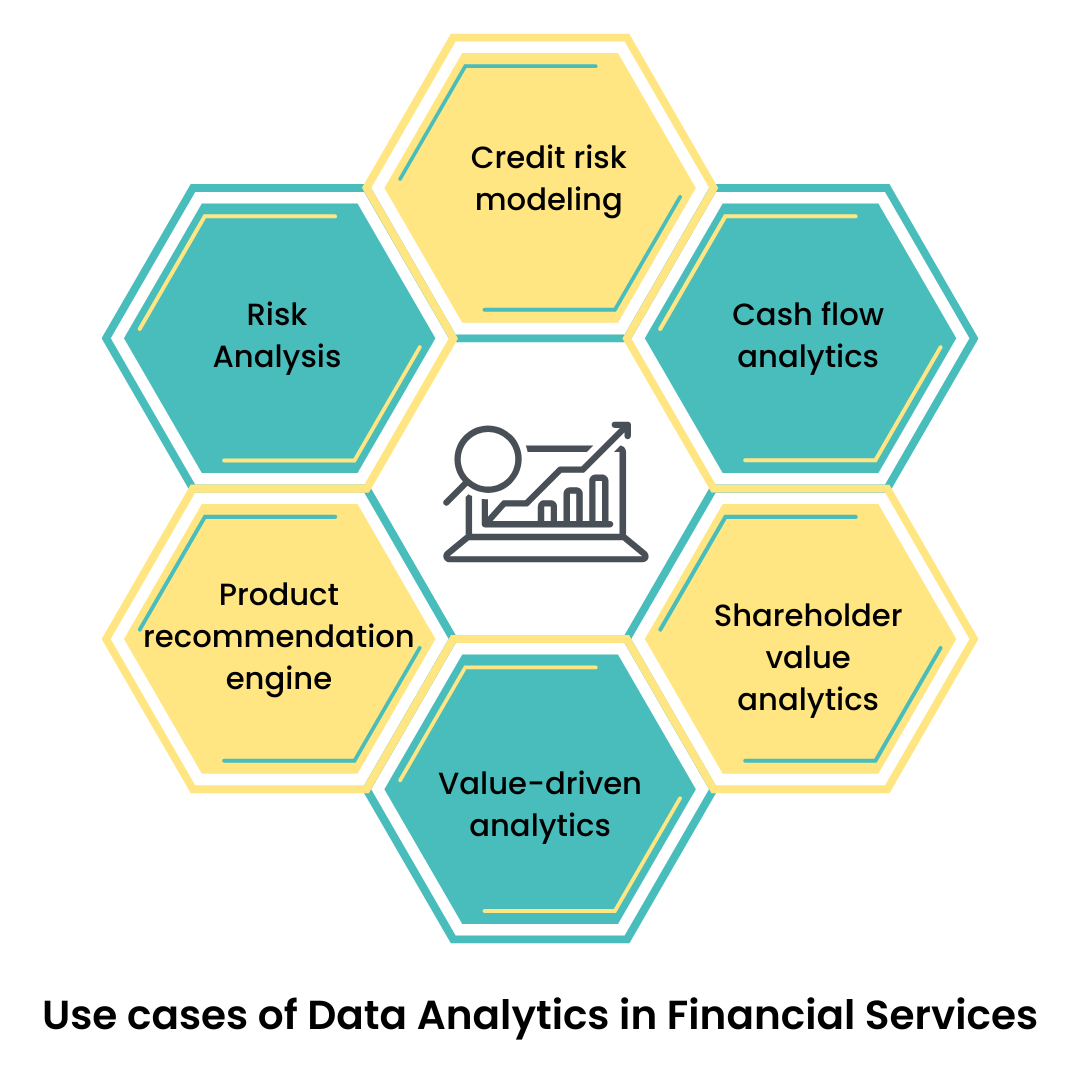 Data analytics in financial services agencies rely on a variety of sources to gather information for analysis. These sources include both internal and external data that provide valuable insights into customer behavior, market trends, and risk assessment. Financial agencies use a combination of traditional and digital methods to collect and process data efficiently.
Internal Data Sources
Internal data sources within financial agencies typically include customer transaction records, account information, loan details, and other proprietary data. These sources provide valuable insights into customer preferences, spending habits, and financial behavior. By analyzing internal data, agencies can identify patterns, trends, and opportunities for personalized services.External Data Sources
External data sources play a crucial role in financial services analytics by providing additional context and market insights. These sources may include economic indicators, industry reports, social media data, and third-party data providers. By combining internal and external data, agencies can gain a comprehensive understanding of the market environment and make informed decisions.Data Collection Methods
Financial agencies employ various methods to collect data, including manual data entry, automated data extraction, and data integration from multiple sources. Manual data entry involves inputting information into databases or spreadsheets, while automated data extraction uses software tools to gather data from different systems. Data integration allows agencies to consolidate information from various sources for comprehensive analysis.Challenges in Data Collection
Despite the benefits of data analytics, financial agencies face challenges in collecting data effectively. These challenges may include data silos, data quality issues, data privacy concerns, and regulatory compliance requirementsData Analytics Tools and Technologies
Data analytics tools play a crucial role in helping financial services agencies make informed decisions and improve their operations. These tools enable agencies to analyze large volumes of data efficiently and effectively. Let's explore some popular data analytics tools used in the financial sector and how they enhance operational efficiency and performance.Popular Data Analytics Tools
- Tableau: Tableau is a powerful data visualization tool that allows financial agencies to create interactive and insightful dashboards to gain valuable insights from their data.
- SAS: SAS provides advanced analytics capabilities, including data mining, forecasting, and optimization, to help financial services agencies identify trends and patterns in their data.
- Python: Python is a versatile programming language commonly used for data analysis and machine learning in the financial sector. It offers a wide range of libraries and tools for data manipulation and modeling.
- R: R is another popular programming language for statistical analysis and data visualization. Financial agencies use R for tasks such as risk modeling, portfolio optimization, and fraud detection.
Comparison of Data Analytics Technologies
| Technology | Use Case | Advantages |
|---|---|---|
| Machine Learning | Identifying patterns and predicting outcomes | Automated decision-making, improved accuracy |
| Big Data Analytics | Processing and analyzing large volumes of data | Scalability, real-time insights |
| Cloud Computing | Storing and accessing data remotely | Cost-effective, flexibility |
Enhancing Operational Efficiency and Performance
Data analytics tools enable financial services agencies to streamline their processes, identify opportunities for growth, and mitigate risks effectively. By leveraging these technologies, agencies can make data-driven decisions that lead to improved performance and competitive advantage in the market.
Data Visualization and Reporting
Data visualization plays a crucial role in the analysis of financial data within agencies. By transforming complex numbers and statistics into visual representations, data visualization enhances understanding and aids in making informed decisions based on insights derived from the data.Importance of Data Visualization for Financial Data Analysis
Data visualization allows financial agencies to identify trends, patterns, and outliers within their data more efficiently. Graphs, charts, and dashboards provide a clear and concise way to present information, making it easier for stakeholders to grasp the significance of the data at a glance. Additionally, visual representations can uncover hidden relationships and correlations that may not be apparent in raw data, enabling agencies to strategize and optimize their financial operations effectively.Examples of Effective Data Reporting Techniques for Financial Agencies
- Interactive Dashboards: Interactive dashboards allow users to explore data in real-time, customize views, and drill down into specific details. This dynamic reporting technique enables financial agencies to track key performance indicators (KPIs) and monitor progress towards goals effectively.
- Infographics: Infographics combine visual elements with concise text to convey complex financial information in a visually appealing and easy-to-understand format. By using colors, icons, and illustrations, infographics can communicate data insights in a compelling way, making reports more engaging for stakeholders.
- Heat Maps: Heat maps use color gradients to represent data values, making it easy to visualize trends, concentrations, and variations across different data points. Financial agencies can use heat maps to identify areas of high or low performance, allocate resources efficiently, and make data-driven decisions based on visual patterns.
Closing Notes
In conclusion, the discussion on Why Data Analytics is the Backbone of Successful Financial Services Agencies underscores the indispensable nature of data analytics in navigating the complexities of the financial landscape. By harnessing the potential of data analytics, financial agencies can unlock new opportunities, fortify decision-making processes, and stay ahead of the curve in a rapidly evolving industry.
Clarifying Questions
How does data analytics revolutionize financial services?
Data analytics transforms financial services by providing valuable insights for decision-making, risk management, and fraud detection.
What are the challenges faced in data collection for financial agencies?
Financial agencies encounter challenges such as data quality issues, privacy concerns, and integrating data from various sources.
Which tools are commonly used for data analysis in the financial sector?
Popular data analytics tools in the financial sector include Tableau, SAS, and Power BI.
How does data visualization enhance financial data analysis?
Data visualization simplifies complex financial data, making it easier to identify patterns, trends, and outliers.

