

As The Rise of "Low-Code" Platforms: Empowering Non-Tech Founders to Build Fast takes center stage, this opening passage beckons readers with casual formal language style into a world crafted with good knowledge, ensuring a reading experience that is both absorbing and distinctly original.
Low-code platforms have revolutionized the way non-tech founders approach app development, offering a fast and efficient solution to bring their ideas to life without the need for extensive coding knowledge. This dynamic shift has paved the way for innovation and accessibility in the tech industry.
Understanding Low-Code Platforms
 Low-code platforms are software development platforms that enable users to create applications with minimal hand-coding, focusing more on visual development and drag-and-drop interfaces. These platforms allow non-technical founders to build applications quickly and efficiently without the need for extensive programming knowledge.
Visual Development and Drag-and-Drop Interfaces
Visual development in low-code platforms involves creating applications using visual elements like buttons, forms, and containers instead of writing lines of code. Drag-and-drop interfaces allow users to simply drag components onto a canvas and arrange them visually to design the application's layout and functionality.Popular Low-Code Platforms
- Mendix: Known for its visual development tools and collaboration features, Mendix is a popular choice for building enterprise-level applications.
- OutSystems: OutSystems offers a comprehensive low-code platform with drag-and-drop functionality and AI-driven development features for rapid application development.
- Appian: Appian provides a low-code platform for creating business process management applications with a focus on workflow automation and integration capabilities.
Benefits of Low-Code Platforms for Non-Tech Founders
Low-code platforms have revolutionized the way non-tech founders approach application development. These platforms offer a range of benefits, empowering individuals with no coding background to create innovative and functional applications quickly and efficiently.Empowerment Through Accessibility
Low-code platforms provide a user-friendly interface that allows non-tech founders to visually design and build applications without the need for extensive coding knowledge. This accessibility democratizes the app development process, making it inclusive for individuals from various backgrounds and skill sets.Speed and Efficiency
One of the key advantages of using low-code platforms is the speed at which applications can be developed. These platforms offer pre-built templates, drag-and-drop functionalities, and automated processes that significantly reduce the time required to create an app. Non-tech founders can rapidly iterate on their ideas, test prototypes, and bring products to market much faster than traditional development methods.Success Stories
There are numerous success stories of non-tech founders who have leveraged low-code platforms to build successful products. For example, a small business owner with no coding experience was able to create a custom CRM system for their company using a low-code platform, improving efficiency and streamlining operations. These stories highlight the transformative power of low-code platforms in enabling individuals to turn their ideas into reality, regardless of their technical background.Features and Functionality of Low-Code Platforms
Low-code platforms offer a range of features and functionalities that empower non-tech founders to build applications quickly and efficiently. These platforms provide pre-built templates, integrations, and scalability options, making it easier for users to create custom applications without extensive coding knowledge.Pre-built Templates, Integrations, and Scalability
- Pre-built Templates: Low-code platforms come with a variety of pre-built templates for different types of applications, saving time and effort in the initial development phase.
- Integrations: These platforms offer seamless integrations with third-party tools and services, allowing users to enhance the functionality of their applications without starting from scratch.
- Scalability: Low-code platforms enable applications to scale easily as the business grows, ensuring that the software can adapt to changing needs and demands.
Customization Options
- Drag-and-Drop Interface: Many low-code platforms feature a user-friendly drag-and-drop interface that allows users to customize the look and feel of their applications without writing complex code.
- Configurable Components: Users can easily configure components and workflows within the platform to tailor the application to their specific needs, ensuring a personalized user experience.
- Automated Testing: Some low-code platforms offer automated testing capabilities, helping users ensure the quality and functionality of their applications before deployment.
Flexibility Compared to Traditional Coding Methods
- Rapid Development: Low-code platforms enable rapid application development by simplifying the coding process and eliminating the need for manual coding of every function.
- Adaptability: With low-code platforms, non-tech founders can quickly make changes to their applications in response to user feedback or market demands, ensuring adaptability and agility.
- Cross-platform Compatibility: Low-code platforms often support cross-platform development, allowing users to create applications that can run on different devices and operating systems with ease.
Challenges and Limitations of Low-Code Development
Low-code platforms have undoubtedly revolutionized the way non-tech founders can create applications, but they come with their own set of challenges and limitations that need to be considered.Common Challenges Faced by Non-Tech Founders
- Lack of Customization: While low-code platforms offer pre-built templates and components, they may not always meet the specific customization needs of a project, leading to limitations in design and functionality.
- Integration Issues: Integrating third-party services or APIs can sometimes be challenging on low-code platforms, especially if the platform does not support the required integrations.
- Complex Logic: Non-tech founders may struggle with implementing complex business logic or algorithms on low-code platforms, as they are often designed for simpler applications.
- Dependency on Platform Updates: The reliance on updates and features provided by the low-code platform can sometimes slow down the development process, especially if crucial functionalities are missing.
Limitations of Low-Code Platforms
- Scalability Concerns: Low-code platforms may face limitations in handling large-scale applications or projects that require high performance and scalability, as they are optimized for rapid development rather than robust scalability.
- Security Risks: Due to the abstraction of code and automation of processes, low-code platforms may pose security risks if not properly configured or if vulnerabilities in the platform are exploited.
- Complex Functionalities: Implementing highly complex functionalities or advanced features may be challenging on low-code platforms, as they are primarily focused on simplifying development for non-tech users.
When to Opt for Traditional Development
- Highly Customized Projects: For projects that require extensive customization and intricate design elements, traditional development may be more suitable to ensure full control over the development process.
- Performance-Critical Applications: Applications that demand high performance, scalability, and security may benefit from traditional development, as it allows for fine-tuning and optimization at a deeper level than low-code platforms.
- Specialized Functionality: If the project involves specialized functionalities or requires integration with complex systems that are not supported by low-code platforms, opting for traditional development might be the better choice.
Ultimate Conclusion
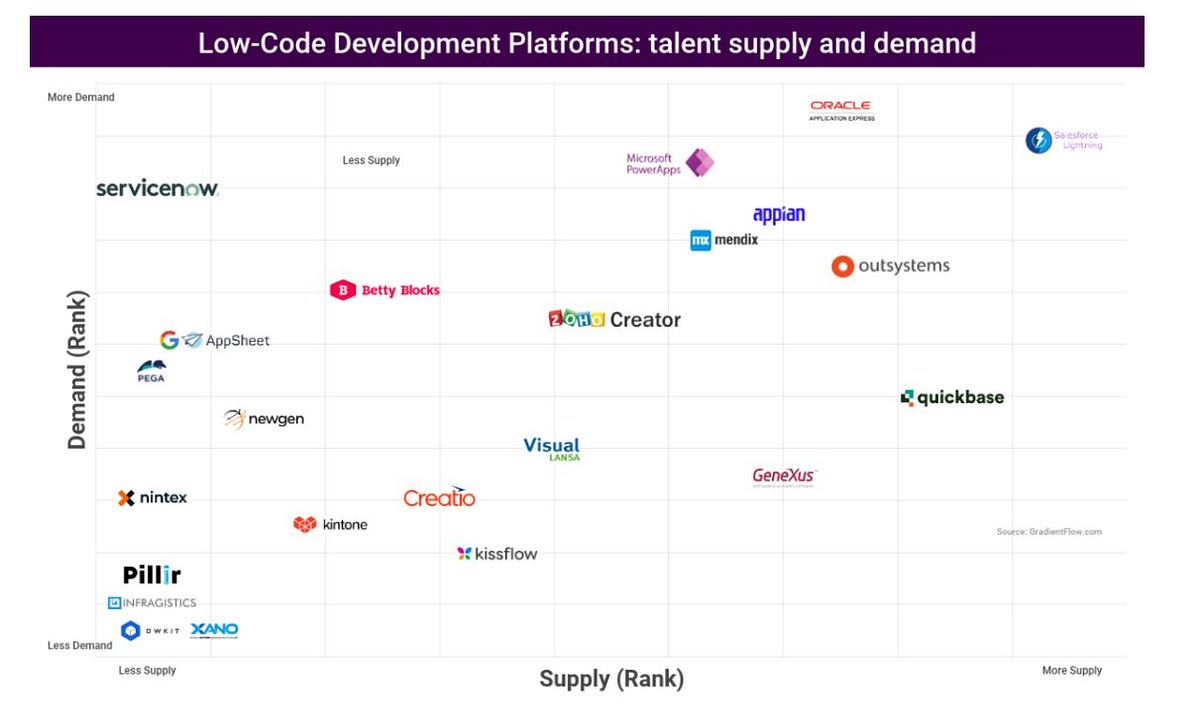
In conclusion, The Rise of "Low-Code" Platforms: Empowering Non-Tech Founders to Build Fast signifies a monumental leap in democratizing app development, allowing individuals with diverse backgrounds to create impactful products swiftly and effectively. Embracing these platforms opens doors to endless possibilities and reshapes the landscape of entrepreneurship in a digital era.
User Queries
What are low-code platforms?
Low-code platforms are tools that enable individuals to build applications with minimal manual coding, utilizing visual interfaces and drag-and-drop features for faster development.
How do low-code platforms benefit non-tech founders?
Low-code platforms empower non-tech founders by providing them the ability to create applications without in-depth coding knowledge, saving time and enhancing efficiency in the development process.
What are some common challenges of low-code development?
Common challenges of low-code development include limitations in complex functionalities and scalability, as well as potential constraints in customization compared to traditional coding methods.

