

As The Financial Benefits of Solar Energy Integration for Commercial Real Estate takes center stage, this opening passage beckons readers with a captivating allure, delving into the realm of financial advantages and sustainable solutions. The fusion of solar energy with commercial real estate promises not just savings but also a greener future.
Exploring the economic benefits intertwined with environmental consciousness, this discussion unveils the potential for long-term prosperity and responsible energy consumption in the realm of commercial real estate.
The Importance of Solar Energy Integration in Commercial Real Estate
Solar energy integration in commercial real estate offers numerous benefits that can positively impact both the environment and the financial bottom line of property owners. By harnessing the power of the sun, commercial properties can reduce their reliance on traditional energy sources and lower their operating costs over time.Financial Advantages of Solar Energy Integration
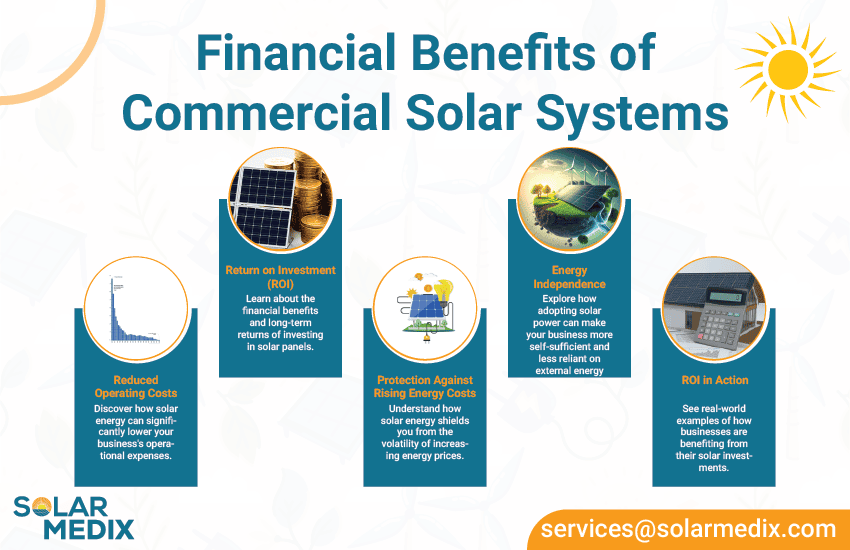
- Cost Savings: One of the key financial advantages of incorporating solar energy systems in commercial properties is the potential for significant cost savings on electricity bills. By generating their own clean energy, property owners can reduce their reliance on grid electricity and lock in lower energy costs for years to come.
- Return on Investment (ROI): While the upfront costs of installing solar panels may seem high, the long-term ROI can be substantial. With various incentives, tax credits, and rebates available, property owners can recoup their initial investment and start generating savings in a relatively short period.
- Increased Property Value: Properties with solar energy systems are often more attractive to tenants and buyers due to their lower operating costs and environmentally-friendly features. This can lead to increased property value and potentially higher rental or sale prices in the future.
Long-Term Savings with Solar Energy Integration
- Reduced Energy Costs: Solar energy systems provide a stable and predictable source of energy, reducing the impact of fluctuating energy prices. This stability can lead to long-term savings as energy costs continue to rise over time.
- Maintenance and Operational Savings: Solar panels require minimal maintenance and have a long lifespan, reducing the need for costly repairs or replacements. This can result in additional savings for property owners over the years.
- Environmental Benefits: In addition to financial savings, solar energy integration in commercial real estate also contributes to a greener environment by reducing carbon emissions and promoting sustainability. This aligns with the growing demand for eco-friendly buildings and can attract environmentally-conscious tenants.
Cost Analysis of Solar Energy Integration
Solar energy integration in commercial real estate involves various costs that need to be considered before making the decision to adopt this sustainable energy solution. Let's break down the costs involved and compare them with the long-term financial benefits.Initial Investment for Solar Energy Integration
When integrating solar energy systems in commercial properties, the initial investment includes the cost of solar panels, inverters, mounting equipment, and installation labor. Additionally, there are costs associated with obtaining permits, inspections, and potentially upgrading the electrical system to accommodate solar energy generation. The total initial investment can vary depending on the size of the system and the specific requirements of the property.Long-Term Financial Benefits
Despite the initial upfront costs, solar energy integration can lead to significant long-term financial benefits for commercial property owners. By generating renewable energy on-site, property owners can reduce their reliance on grid electricity, resulting in lower utility bills over time. In some cases, excess energy generated by the solar panels can be sold back to the grid, providing an additional source of revenue.Financing Options for Commercial Property Owners
To help offset the initial investment costs, there are various financing options available for commercial property owners looking to adopt solar energy solutions. These options include solar loans, solar leases, power purchase agreements (PPAs), and incentives such as tax credits and rebates. Property owners can choose the financing option that best suits their financial situation and long-term goals for integrating solar energy.Return on Investment (ROI) for Solar Energy Integration
Investing in solar energy integration for commercial real estate can offer significant returns on investment (ROI) over time. By harnessing the power of solar energy, property owners can not only reduce their carbon footprint but also save money on energy costs in the long run.Potential ROI Calculation
- Calculate the initial investment required for solar panel installation, including equipment and installation costs.
- Estimate the annual savings on energy bills due to solar energy integration.
- Consider any tax incentives, rebates, or grants available for solar projects to reduce the upfront costs.
- Use a formula to determine the ROI:
ROI = (Net Profit / Cost of Investment) x 100
Payback Period Analysis
- Analyze the payback period for solar energy integration projects by dividing the initial investment by the annual savings on energy bills.
- Shorter payback periods indicate a quicker return on investment and higher profitability.
- Consider the lifespan of solar panels and maintenance costs to accurately calculate the payback period.
Comparison to Traditional Real Estate Investments
- Compare the ROI from solar energy integration to other traditional real estate investments, such as property renovations or upgrades.
- Highlight the potential long-term savings and environmental benefits of solar energy integration that may outweigh returns from other investments.
- Consider the increasing demand for sustainable and energy-efficient buildings in the real estate market, which can impact property values and rental yields.
Tax Incentives and Rebates for Solar Energy Integration
 Tax incentives and rebates play a crucial role in making solar energy integration financially viable for commercial real estate owners. These incentives are designed to offset the upfront costs associated with installing solar energy systems and encourage more businesses to adopt renewable energy solutions.
Federal Investment Tax Credit (ITC)
The Federal Investment Tax Credit (ITC) is one of the most significant incentives available for commercial real estate owners looking to integrate solar energy systems. This credit allows businesses to deduct a percentage of the cost of installing a solar system from their federal taxes. Currently, the ITC offers a credit of 26% for projects that begin construction in 2022 and 2023. This incentive can significantly reduce the overall cost of solar energy integration for commercial properties.Accelerated Depreciation
Commercial real estate owners can also take advantage of accelerated depreciation schedules for solar energy equipment. Under the Modified Accelerated Cost Recovery System (MACRS), businesses can depreciate the value of their solar assets over a shorter period, allowing them to recoup the investment more quickly. This tax benefit enhances the financial feasibility of solar energy projects by providing additional tax savings over time.State and Local Incentives
In addition to federal incentives, many states and local governments offer their own tax incentives and rebates for solar energy integration. These incentives can vary widely depending on the location and may include property tax exemptions, sales tax exemptions, or cash rebates for installing solar systems. By leveraging these state and local incentives, commercial real estate owners can further reduce the upfront costs of solar energy projects and improve their return on investment.Success Stories
Numerous successful cases demonstrate how tax incentives and rebates have made solar energy integration financially attractive for commercial properties. For example, a shopping mall in California was able to reduce its solar project costs by 30% through a combination of the Federal ITC and state incentives. This significant cost reduction allowed the mall to achieve a faster payback period and realize long-term savings on energy bills.Last Recap
In conclusion, the financial benefits of solar energy integration for commercial real estate present a compelling case for property owners to embrace sustainable solutions for a brighter tomorrow. By harnessing the power of the sun, businesses can not only save on costs but also contribute to a cleaner environment. The future of commercial real estate is undoubtedly intertwined with solar energy integration, paving the way for a more sustainable and profitable industry.
Questions Often Asked
What are the key financial advantages of solar energy integration for commercial real estate?
The key financial advantages include long-term savings on energy costs, increased property value, and potential tax incentives and rebates.
How do tax incentives and rebates impact the financial feasibility of solar energy projects in commercial properties?
Tax incentives and rebates can significantly reduce the initial investment required for solar energy integration, making it more financially viable for property owners.
What is the typical payback period for solar energy integration projects in commercial real estate?
The payback period can vary but is often between 5 to 10 years, depending on factors like energy consumption and available incentives.
How does the return on investment from solar energy integration compare to other traditional investments in real estate?
The ROI from solar energy integration can be competitive with or even surpass traditional real estate investments, especially considering long-term savings and increased property value.

