

Home Restoration After Storm Damage: A Guide to Navigating Insurance Claims sets the stage for this comprehensive guide, providing readers with valuable insights on navigating insurance claims in the aftermath of a storm.
The following paragraphs will delve into key aspects such as assessing damage, filing insurance claims, selecting contractors, and managing restoration timelines.
Home Assessment Post-Storm
After a storm, it is crucial to assess your home for any damage to ensure the safety and integrity of the structure. By conducting a thorough inspection, you can identify areas that need immediate attention and prevent further issues down the line.Key Areas to Inspect for Damage:
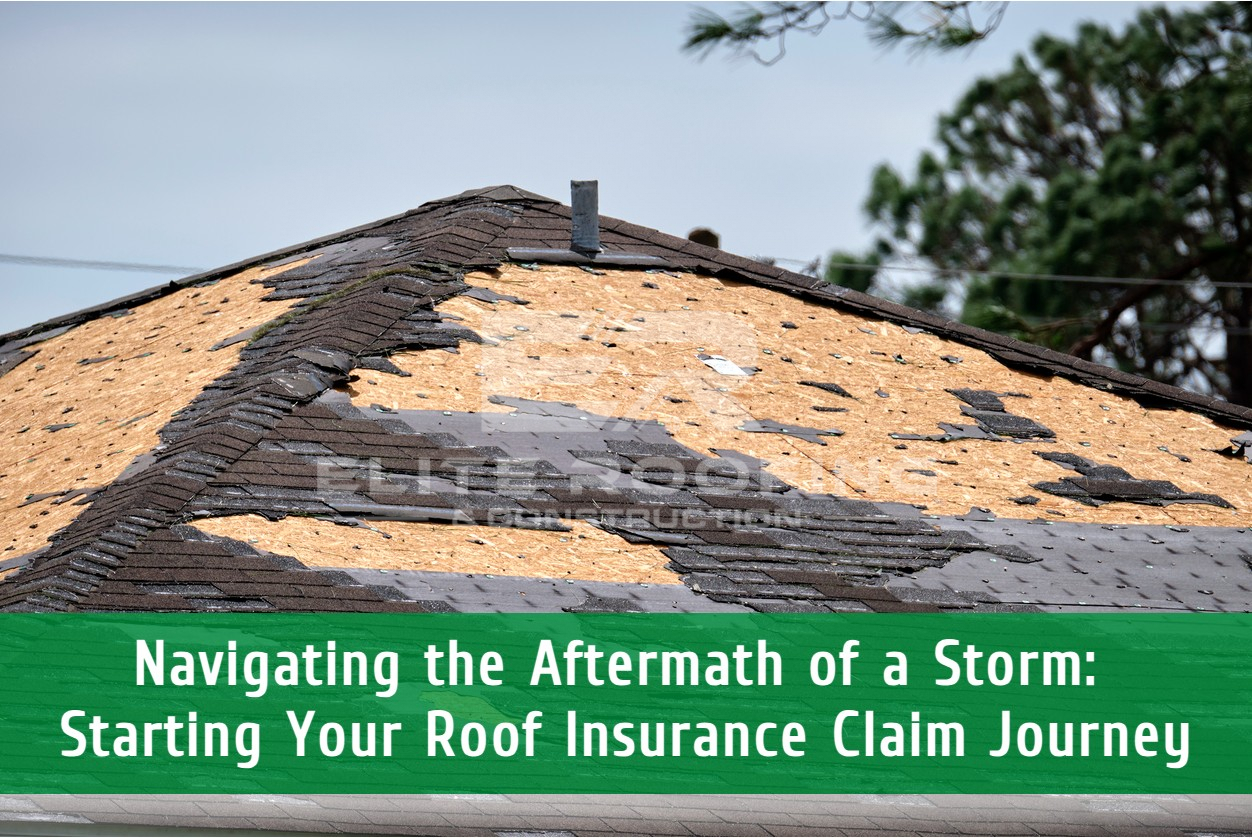
- Roof: Check for missing or damaged shingles, leaks, or signs of water damage.
- Windows and Doors: Look for cracks, broken glass, or gaps that may compromise the security of your home.
- Foundation: Inspect for cracks, shifts, or water seepage that could weaken the foundation.
- Electrical System: Check for exposed wires, outlets, or appliances that may have been affected by water damage.
- Plumbing: Look for leaks, burst pipes, or water stains that indicate a plumbing issue.
Effective documentation of the damage is essential for insurance claims. Take detailed photos and videos, make notes of the extent of the damage, and keep receipts for any repairs or replacements.
Insurance Claim Process
When it comes to navigating the insurance claim process after storm damage, there are specific steps you need to follow to ensure a smooth and successful outcome. From filing the initial claim to working with insurance adjusters, understanding the process is crucial for maximizing your coverage.Filing an Insurance Claim
- Contact your insurance company as soon as possible to report the damage.
- Provide detailed documentation of the damage, including photographs and a written description.
- Fill out any necessary claim forms and submit them promptly to your insurance company.
Role of Insurance Adjusters
- Insurance adjusters are responsible for assessing the damage and determining the amount of coverage you are entitled to receive.
- They will visit your property to inspect the damage and may ask for additional documentation or information.
- It is important to cooperate with insurance adjusters and provide them with all requested information to expedite the claims process.
Maximizing Insurance Coverage
- Document all communication with your insurance company, including phone calls and emails.
- Keep track of all expenses related to the storm damage, including repairs and temporary living arrangements.
- Review your insurance policy to understand your coverage limits and any exclusions that may apply.
- Consider hiring a public adjuster to help negotiate with your insurance company and ensure you receive fair compensation.
Choosing Contractors
 When it comes to restoring your home after storm damage, choosing the right contractor is crucial. Here are some criteria to consider when selecting reputable contractors and ensuring a smooth restoration process:
Verify Licenses and Insurance
Before hiring a contractor, always verify their licenses and insurance. A reputable contractor should be licensed to operate in your area and carry adequate insurance coverage. This will protect you from any liability in case of accidents or damages during the restoration process.
Importance of Written Contracts
It is essential to have a written contract in place before any work begins. The contract should Artikel the scope of work, timelines, payment terms, and any other relevant details. Having a written agreement will help prevent misunderstandings and ensure that both parties are on the same page throughout the restoration process.
Restoration Timeline
Typical Restoration Timeline
When it comes to restoring your home after storm damage, the timeline can vary depending on the severity of the damage. However, a typical restoration timeline may include the following steps:
- Assessment and Documentation: The first step is to assess the damage and document it thoroughly. This may involve working with insurance adjusters and contractors to determine the scope of work.
- Securing the Property: Securing your property to prevent further damage is crucial. This may involve tarping the roof, boarding up windows, and removing debris.
- Water Damage Mitigation: If there is water damage, drying out the property and addressing any mold issues is essential to prevent further damage.
- Structural Repairs: Structural repairs may include repairing or replacing damaged walls, roofs, and foundations.
- Interior Restoration: Once the structural repairs are complete, interior restoration work can begin. This may involve replacing flooring, drywall, and insulation.
- Finishing Touches: Finally, finishing touches such as painting, installing fixtures, and cleaning up the property can be completed.
Factors Impacting Restoration Timeline
Several factors can impact the restoration timeline, including:
- Extent of Damage: The more extensive the damage, the longer the restoration process may take.
- Permitting and Inspection Delays: Delays in obtaining necessary permits or passing inspections can slow down the restoration timeline.
- Availability of Materials: Shortages of materials or long lead times for special order items can cause delays in the restoration process.
- Weather Conditions: Inclement weather can impact outdoor restoration work, such as roof repairs or landscaping.
Strategies for Managing Delays
While delays during the restoration process can be frustrating, there are strategies you can employ to help manage them:
- Communicate Effectively: Stay in regular communication with your contractors, insurance adjusters, and other parties involved in the restoration process to stay informed about any potential delays.
- Be Flexible: Understand that unexpected delays can occur and be prepared to adjust your timeline accordingly.
- Plan Ahead: Work with your contractors to create a detailed timeline for the restoration process, including contingency plans for potential delays.
- Stay Organized: Keep all documentation related to the restoration process organized and easily accessible to help streamline the process and avoid delays.
Summary
In conclusion, Home Restoration After Storm Damage: A Guide to Navigating Insurance Claims equips homeowners with the knowledge and tools needed to effectively handle the restoration process post-storm. By following the Artikeld steps and tips, individuals can ensure a smoother and more successful recovery journey.
Quick FAQs
What are the key areas to inspect for damage after a storm?
Key areas include the roof, windows, foundation, and electrical systems. It's important to conduct a thorough inspection to identify all potential damages.
How can one maximize insurance coverage when filing a claim?
To maximize coverage, ensure all damages are documented, provide detailed information to the insurance company, and consider hiring a public adjuster if needed.
Why is it crucial to choose reputable contractors for home restoration?
Reputable contractors ensure quality workmanship, adhere to timelines, and provide necessary guarantees for their services, leading to a smoother restoration process.
What factors can impact the restoration timeline after storm damage?
Factors such as the extent of damage, availability of materials, weather conditions, and permit approvals can all impact the restoration timeline significantly.
How to effectively manage delays during the home restoration process?
Communication with contractors, staying informed about the progress, and having contingency plans in place can help homeowners effectively manage delays during the restoration process.

