

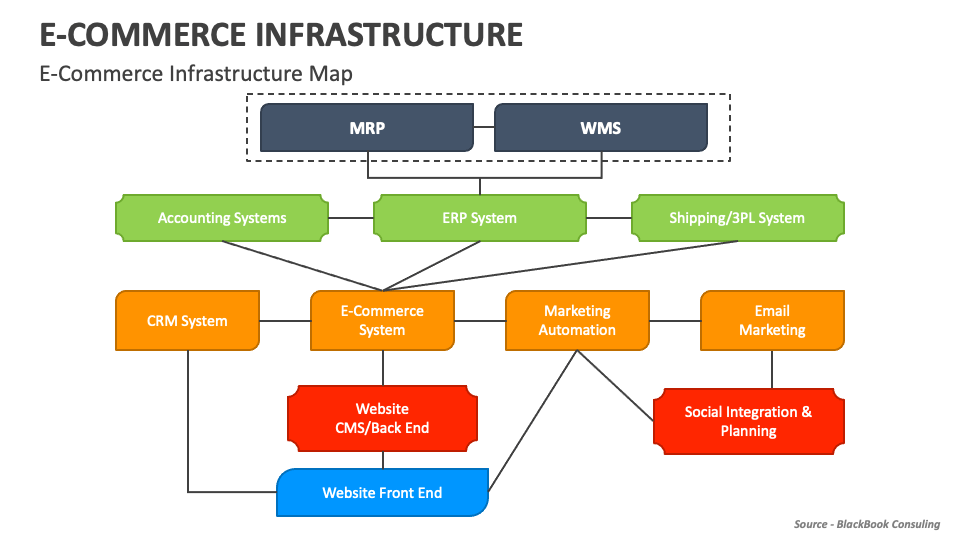
Embark on a journey to explore the crucial aspects of Building a Scalable E-commerce Infrastructure for Global Distribution. As businesses expand their reach worldwide, the need for a robust and flexible e-commerce system becomes paramount. Let's delve into the intricacies of scalability in this digital realm.
As we progress further, we will uncover the essential components, architectural patterns, load balancing techniques, and the role of cloud computing services in creating an efficient and scalable e-commerce infrastructure for global distribution.
Understanding the Importance of Scalability in E-commerce Infrastructure
Scalability is a critical aspect of e-commerce infrastructure, especially when it comes to global distribution. It refers to the ability of a system to handle increased workload and growth without sacrificing performance or reliability.
Challenges without Scalable Infrastructure
- Increased Downtime: Without scalability, e-commerce platforms may experience downtime due to overwhelming traffic during peak periods, leading to lost sales opportunities.
- Poor User Experience: Inflexible infrastructure can result in slow loading times, crashes, and errors that frustrate customers, causing them to abandon their purchases.
- Limited Expansion: A lack of scalability can hinder the expansion into new markets or the addition of new products, limiting the business's growth potential.
Impact of Rapid Growth on Scalability
- Rapid growth can strain an e-commerce platform that lacks scalability, causing performance issues and potential system failures.
- Scalability becomes crucial during periods of rapid expansion to ensure that the platform can handle the increased demand without compromising user experience or operational efficiency.
- Without a scalable infrastructure, rapid growth can lead to missed opportunities, decreased customer satisfaction, and ultimately, loss of market share to competitors with more robust systems.
Designing a Scalable E-commerce Architecture
When developing a scalable e-commerce infrastructure, it is crucial to consider the essential components that will support global distribution and handle increasing traffic seamlessly. Various architectural patterns can be employed to achieve scalability, with microservices playing a significant role in building a flexible and resilient e-commerce system.Essential Components of a Scalable E-commerce Infrastructure
- Load Balancers: Distribute incoming traffic across multiple servers to prevent overload and ensure high availability.
- Distributed Database: Store and manage data across multiple nodes to handle large volumes of transactions efficiently.
- Caching Layer: Cache frequently accessed data to reduce latency and improve performance.
- Scalable Storage: Utilize cloud storage solutions that can dynamically scale based on demand.
- Monitoring and Analytics: Implement tools to track system performance, identify bottlenecks, and make data-driven decisions for optimization.
Architectural Patterns for Global Distribution Scalability
- Microservices Architecture: Break down the e-commerce system into smaller, independent services that can be developed, deployed, and scaled individually.
- Serverless Computing: Use cloud services to run code without the need to manage servers, allowing for automatic scaling based on demand.
- Event-Driven Architecture: Design the system to respond to events and triggers, enabling asynchronous communication and scalability.
Role of Microservices in Building a Scalable E-commerce System
Microservices architecture promotes agility, fault isolation, and scalability by decoupling components and allowing them to evolve independently. Each microservice focuses on a specific business function, enabling rapid development, deployment, and scalability without impacting the entire system. This approach enhances flexibility, resilience, and performance in a global e-commerce environment.Implementing Efficient Load Balancing Techniques
Load balancing plays a crucial role in ensuring the scalability and performance of an e-commerce infrastructure. By distributing incoming network traffic across multiple servers, load balancing helps prevent overload on any single server, optimizing resource utilization and enhancing overall system reliability.
Different Load Balancing Algorithms
There are several load balancing algorithms commonly utilized in e-commerce architectures to efficiently distribute traffic:
- Round Robin: This algorithm directs each new request to the next server in line, distributing the load evenly among available servers.
- Least Connections: Servers with the fewest active connections receive new requests, ensuring a balanced distribution based on current workload.
- Weighted Round Robin: Assigns a specific weight to each server, allowing more powerful servers to handle a larger proportion of the traffic.
Impact of Global Distribution on Load Balancing Techniques
Global distribution introduces additional complexity to load balancing, as the geographical distance between users and servers can affect latency and performance. In such scenarios, the choice of load balancing technique becomes crucial to ensure optimal user experience:
- Geo-location-based Load Balancing: Utilizes the geographical location of users to route them to the nearest server, reducing latency and improving response times.
- Global Server Load Balancing (GSLB): Balances traffic across multiple data centers located in different regions, considering factors like server health, proximity, and capacity.
Utilizing Content Delivery Networks (CDNs) for Global Reach
Benefits of Using CDNs
- Improved Website Loading Speed: CDNs store cached copies of content in multiple servers around the world, reducing the distance between the user and the server, resulting in faster loading times.
- Scalability and Reliability: CDNs can handle high volumes of traffic efficiently, ensuring that your website remains accessible even during traffic spikes or surges.
- Enhanced Security: CDNs provide additional security layers by protecting against DDoS attacks, ensuring the integrity of your e-commerce platform.
Key Considerations when Selecting a CDN
- Global Network Coverage: Choose a CDN with a wide network coverage to ensure that your content can be delivered to users in various regions effectively.
- Performance Optimization: Look for CDNs that offer features like image optimization, cache control, and dynamic content acceleration to improve website performance.
- Cost-Efficiency: Evaluate the pricing structure of different CDNs to ensure that you are getting the best value for your investment based on your specific needs and traffic volume.
How CDNs Improve Website Performance and User Experience
- Reduced Latency: By caching content closer to users, CDNs minimize the distance data needs to travel, resulting in faster loading times and improved user experience.
- Global Load Balancing: CDNs distribute traffic across multiple servers globally, ensuring that users are connected to the nearest server, optimizing performance and reliability.
- Content Optimization: CDNs can optimize and compress content, such as images and videos, reducing bandwidth usage and further enhancing website speed and performance.
Integrating Cloud Computing Services for Flexibility and Scalability
Cloud computing services like AWS (Amazon Web Services), Azure, and GCP (Google Cloud Platform) play a crucial role in enhancing the flexibility and scalability of e-commerce infrastructure. These cloud services provide a wide range of tools and resources that can be leveraged to meet the dynamic demands of global e-commerce.Benefits of Cloud Computing for Global E-commerce Scalability
- Scalability: Cloud services allow e-commerce businesses to easily scale up or down based on traffic fluctuations and demand spikes. This flexibility ensures that the infrastructure can handle varying levels of load efficiently.
- Cost-effectiveness: By utilizing cloud computing, businesses can save costs on hardware infrastructure and maintenance. They only pay for the resources they use, making it a cost-effective solution for global e-commerce operations.
- Global Reach: Cloud services have data centers located across the globe, enabling e-commerce businesses to reach a wider audience and deliver content faster to customers in different regions.
Examples of Cloud Services Enabling Quick Scalability
- Auto-Scaling: Cloud platforms like AWS provide auto-scaling capabilities that automatically adjust the number of resources based on traffic patterns. This ensures that the infrastructure can handle sudden spikes in demand without manual intervention.
- On-Demand Resources: With cloud computing, businesses can quickly provision additional resources such as servers, storage, and databases to meet increased demand during peak times. This on-demand scalability allows for seamless operations during high traffic periods.
- Content Delivery: Cloud-based content delivery networks (CDNs) help distribute content globally by caching data on servers closer to end-users. This reduces latency and improves performance, especially for e-commerce websites serving a global customer base.
Final Review
In conclusion, Building a Scalable E-commerce Infrastructure for Global Distribution is a multifaceted endeavor that requires meticulous planning and strategic implementation. By embracing the right tools and techniques, businesses can enhance their online presence, cater to a global audience, and adapt to evolving market demands seamlessly.
Clarifying Questions
How does scalability impact global e-commerce distribution?
Scalability ensures that an e-commerce platform can handle increasing traffic, transactions, and data volume efficiently, enabling seamless global distribution.
What are the benefits of utilizing Content Delivery Networks (CDNs) in e-commerce infrastructure?
CDNs enhance website performance by reducing latency, improving load times, and ensuring a consistent user experience across different regions worldwide.
How do cloud computing services contribute to e-commerce scalability?
Cloud services like AWS, Azure, or GCP offer flexibility, scalability, and cost-effectiveness, enabling businesses to rapidly adjust resources based on demand fluctuations and global expansion needs.

