

In the realm of Digital Transformation Consulting: Scaling Your Business for the AI Era, readers are invited into a world where knowledge reigns supreme, promising an immersive and original reading experience.
The following paragraphs will delve into the intricacies of this topic, providing a comprehensive overview that is both informative and engaging.
Definition of Digital Transformation Consulting
Digital Transformation Consulting refers to the practice of helping businesses leverage digital technologies to streamline operations, improve customer experiences, and drive growth. Digital transformation consultants play a crucial role in guiding organizations through the process of adopting new technologies and adapting their business models to thrive in the digital age.Role of Digital Transformation Consultants
Digital transformation consultants work closely with companies to assess their current digital capabilities, identify areas for improvement, and develop strategies to implement new technologies effectively. They provide expert guidance on how to optimize processes, enhance data analytics, and integrate innovative solutions to stay competitive in the market.- Assessing current digital infrastructure and capabilities
- Developing a roadmap for digital transformation
- Implementing new technologies and tools
- Training employees on digital processes
- Measuring and analyzing the impact of digital initiatives
Benefits of Digital Transformation Consulting
Digital transformation consulting can offer numerous benefits to businesses, including increased efficiency, improved customer engagement, and enhanced agility in responding to market changes. By leveraging the expertise of consultants, organizations can unlock new opportunities for growth and innovation.- Enhanced operational efficiency through automation
- Improved customer experiences with personalized digital solutions
- Greater insights through data analytics and business intelligence
- Adaptability to changing market dynamics and emerging technologies
- Boosted competitiveness and market differentiation
Importance of Digital Transformation in the AI Era
In today's AI-driven era, digital transformation is more crucial than ever for businesses looking to stay competitive and relevant in the market. The integration of AI technologies has revolutionized the way companies operate, making it essential for organizations to adapt and transform digitally to leverage the full potential of AI.Enhancing Efficiency and Productivity
- Digital transformation allows businesses to automate processes and streamline operations, leading to increased efficiency and productivity.
- AI technologies such as machine learning and predictive analytics can help optimize workflows and decision-making processes.
- Companies like Amazon and Netflix have successfully implemented digital transformation strategies to enhance their operations and deliver personalized experiences to customers.
Improving Customer Experience
- By utilizing AI-powered tools, businesses can gain valuable insights into customer behavior and preferences, allowing them to tailor products and services to meet specific needs.
- Digital transformation enables companies to offer personalized recommendations and seamless interactions across various channels, enhancing the overall customer experience.
- Companies like Starbucks and Sephora have leveraged digital transformation to create personalized experiences for their customers through AI-driven technologies.
Staying Competitive in the Market
- Businesses that embrace digital transformation and AI technologies are better positioned to adapt to market changes and stay ahead of the competition.
- By leveraging AI for data analysis and decision-making, companies can make informed strategic choices and drive innovation in their industries.
- Leading tech companies like Google and Microsoft have successfully integrated AI into their business processes through digital transformation, setting the standard for innovation and competitiveness in the market.
Components of Digital Transformation Consulting
Digital transformation consulting involves several key components that are essential for successfully guiding a company through the process of adapting to the AI era. These components include assessing a company's readiness for digital transformation and developing a strategic roadmap for implementation.Assessing Company Readiness for Digital Transformation
- Conducting a comprehensive analysis of the current state of the company's technology infrastructure, processes, and culture.
- Identifying areas of strength and weakness in terms of digital capabilities and readiness for change.
- Evaluating the level of leadership support and organizational alignment towards digital transformation.
- Assessing the skills and competencies of the workforce to determine the need for upskilling or reskilling.
Developing a Digital Transformation Roadmap
- Setting clear goals and objectives for digital transformation that align with the company's overall business strategy.
- Mapping out a step-by-step plan for implementing digital initiatives and technologies across different functional areas.
- Defining key performance indicators (KPIs) to measure the success and impact of digital transformation efforts.
- Establishing a governance structure to oversee and manage the execution of the digital transformation roadmap.
Scaling Your Business with Digital Transformation Consulting
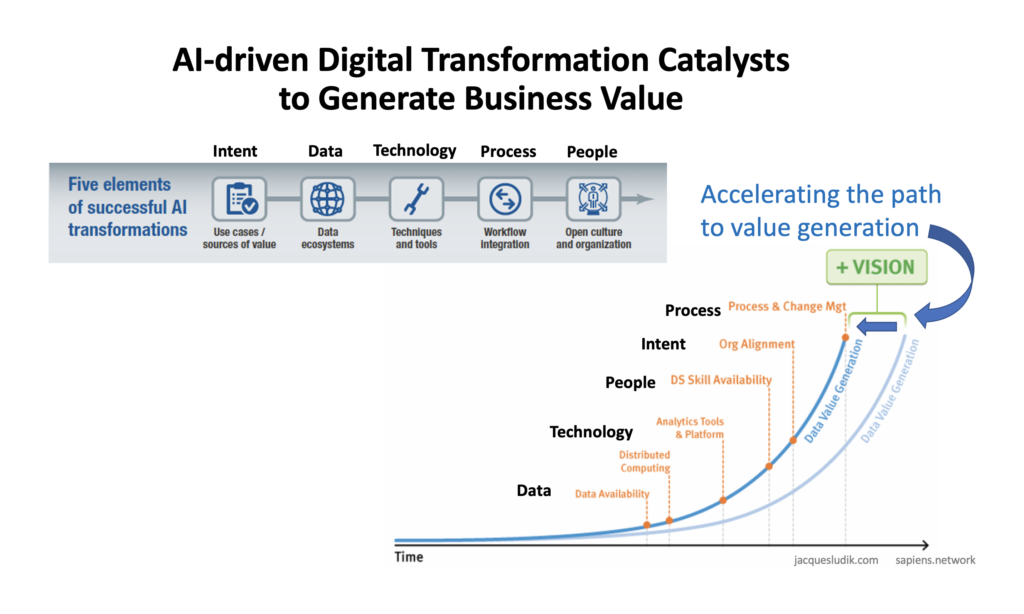 Digital transformation consulting can play a crucial role in helping businesses scale effectively in the AI era. By leveraging advanced technologies and data-driven strategies, companies can streamline operations, enhance customer experiences, and drive growth. Let's explore how digital transformation consulting can empower businesses to scale to new heights.
Examples of Successful Business Scaling through Digital Transformation Initiatives
- Amazon: Through the implementation of AI-powered recommendation engines and automated fulfillment centers, Amazon has significantly scaled its operations to meet growing customer demands.
- Netflix: By leveraging data analytics and AI algorithms, Netflix has personalized content recommendations for users, leading to increased customer engagement and global expansion.
- Uber: Utilizing AI for dynamic pricing, route optimization, and driver allocation, Uber has revolutionized the transportation industry and expanded its services worldwide.
Challenges Businesses May Face When Scaling with Digital Transformation Consulting
- Legacy Systems Integration: Migrating from traditional systems to digital platforms can be complex and time-consuming, requiring careful planning and execution.
- Data Security Concerns: With the increasing reliance on data-driven technologies, businesses must prioritize cybersecurity measures to protect sensitive information from cyber threats.
- Cultural Resistance: Encouraging employees to embrace change and adapt to new digital tools and processes can be a significant challenge, requiring effective change management strategies.
Implementing AI Technologies through Digital Transformation
Implementing AI technologies through digital transformation consulting is crucial for businesses looking to stay competitive in the AI era. By leveraging the expertise of consultants, organizations can effectively integrate AI solutions into their operations, leading to improved efficiency, productivity, and innovation.
Facilitating AI Implementation
- Assessment of Current Infrastructure: Consultants evaluate existing systems and processes to identify areas where AI technologies can be effectively implemented.
- Customized AI Solutions: Consultants develop tailored AI solutions based on the specific needs and goals of the business, ensuring optimal integration and performance.
- Training and Support: Consultants provide training to employees on how to use AI technologies effectively, along with ongoing support to address any issues that may arise.
Impact of AI Adoption
- Enhanced Business Operations: AI technologies streamline workflows, automate repetitive tasks, and provide valuable insights for better decision-making, ultimately improving overall operational efficiency.
- Driving Business Growth: By harnessing the power of AI, businesses can unlock new opportunities, drive innovation, and gain a competitive edge in the market, leading to sustainable growth and success.
Integrating AI into Existing Processes
- Collaborative Approach: Consultants work closely with the internal teams to ensure a smooth integration of AI technologies into existing processes, minimizing disruptions and maximizing benefits.
- Data Integration: Consultants help businesses effectively manage and utilize data to fuel AI applications, ensuring seamless integration and optimal performance.
- Continuous Improvement: Consultants assist in monitoring the performance of AI technologies, identifying areas for improvement, and making necessary adjustments to enhance outcomes over time.
Measuring Success in Digital Transformation Consulting
In the world of digital transformation consulting, measuring success is crucial to determine the impact of initiatives and ensure that the business is moving in the right direction. By tracking key metrics, evaluating ROI and KPIs, and following best practices, companies can effectively gauge the effectiveness of their digital transformation efforts.Key Metrics for Measuring Success
When it comes to measuring success in digital transformation consulting, there are several key metrics that can provide valuable insights into the impact of initiatives. Some of the most important metrics include:
- Revenue growth: Tracking the increase in revenue generated as a result of digital transformation projects.
- Cost savings: Measuring the reduction in costs achieved through process optimization and efficiency improvements.
- Customer satisfaction: Monitoring changes in customer satisfaction levels to gauge the impact of digital transformation on the customer experience.
- Time to market: Evaluating the speed at which new products or services are brought to market as a result of digital transformation efforts.
Importance of Tracking ROI and KPIs
Tracking ROI (Return on Investment) and KPIs (Key Performance Indicators) is essential in digital transformation projects to ensure that resources are being allocated effectively and that the desired outcomes are being achieved. By setting clear KPIs and regularly measuring ROI, companies can assess the success of their digital transformation initiatives and make data-driven decisions to drive further progress.
Best Practices for Evaluating Effectiveness
When evaluating the effectiveness of digital transformation consulting efforts, it is important to follow best practices to ensure accurate assessment and continuous improvement. Some best practices include:
- Setting clear goals and objectives at the outset of the project to provide a baseline for measuring success.
- Regularly monitoring and analyzing key metrics to track progress and identify areas for improvement.
- Engaging stakeholders at all levels of the organization to gather feedback and insights on the impact of digital transformation initiatives.
- Adopting a data-driven approach to decision-making, using analytics to inform strategy and measure outcomes.
Conclusion
As we conclude our exploration of Digital Transformation Consulting: Scaling Your Business for the AI Era, a captivating summary awaits, encapsulating the essence of our discussion and leaving readers with valuable insights to ponder.
Commonly Asked Questions
What is the role of digital transformation consultants in modern business environments?
Digital transformation consultants play a crucial role in guiding businesses through the process of integrating digital technologies to enhance operations and drive growth. They provide expertise in developing strategies tailored to each company's unique needs.
How can businesses benefit from digital transformation consulting?
Businesses can benefit from digital transformation consulting by gaining a competitive edge, improving efficiency, enhancing customer experiences, and staying relevant in a rapidly evolving digital landscape.
What are key metrics for measuring the success of digital transformation initiatives?
Key metrics for measuring success include ROI (Return on Investment), KPIs (Key Performance Indicators), adoption rates of new technologies, employee engagement, and customer satisfaction levels.

