

In the realm of cybersecurity, training employees to defend against phishing attacks is paramount. This essential guide delves into the crucial aspects of Cybersecurity Training for Employees: The Best Defense Against Phishing Attacks, offering valuable insights and practical tips to safeguard organizations from potential threats.
Detailed information on the importance of training, key components of effective programs, strategies for implementation, and methods for measuring effectiveness awaits within these pages.
Importance of Cybersecurity Training for Employees
Cybersecurity training for employees is crucial in the fight against phishing attacks. With the rise of cyber threats targeting organizations, well-trained employees play a significant role in safeguarding sensitive information and preventing data breaches.
Impact of Well-Trained Employees
Employees who undergo cybersecurity training are better equipped to recognize phishing attempts and other cyber threats. Studies show that organizations with well-trained employees are less likely to fall victim to phishing attacks, ultimately reducing the risk of data loss and financial damages.
Consequences of Lack of Cybersecurity Training
A lack of cybersecurity training in an organization can have severe consequences. Employees who are not trained in cybersecurity best practices are more susceptible to falling for phishing scams, leading to potential data breaches, financial losses, and damage to the organization's reputation. Without proper training, employees may unknowingly compromise sensitive information, putting the entire organization at risk.
Key Components of Effective Cybersecurity Training Programs
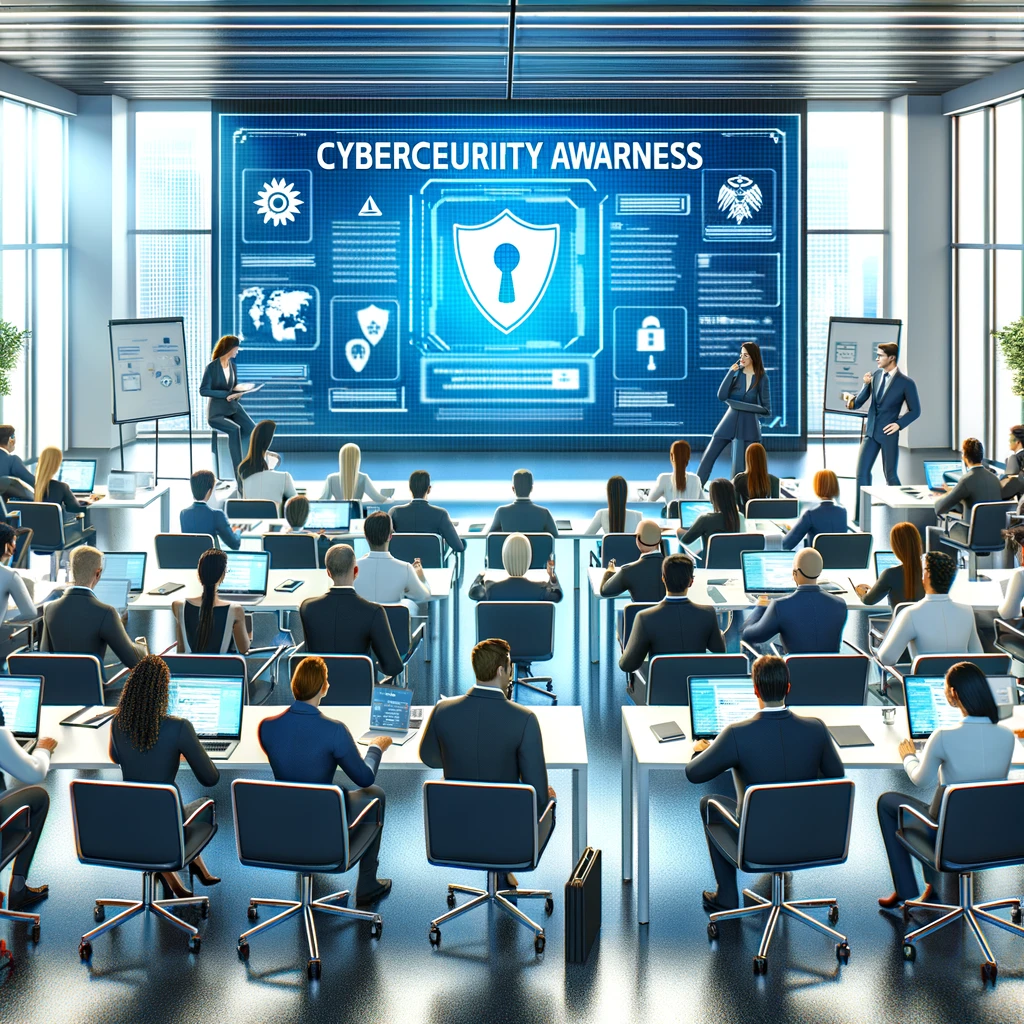
When it comes to cybersecurity training for employees, there are several key components that should be included to ensure the program is effective in combating phishing attacks and other cyber threats.
Essential Elements of Cybersecurity Training
- Basic cybersecurity awareness: Providing employees with a foundational understanding of cybersecurity best practices, common threats, and how to identify phishing attempts.
- Hands-on training: Interactive exercises and simulations that allow employees to practice responding to phishing emails and other cyber threats in a safe environment.
- Policy and procedure review: Ensuring employees are familiar with company policies related to data security, password management, and reporting incidents.
- Regular updates: Keeping training content current with the latest trends and tactics used by cybercriminals to ensure employees are prepared to defend against new threats.
Role of Simulated Phishing Exercises
Simulated phishing exercises play a crucial role in cybersecurity training programs by providing employees with real-world scenarios to test their knowledge and response to phishing attacks. These exercises can help identify areas where employees may need additional training and reinforce best practices in a controlled setting.
Regular Updates and Reinforcement
- Regular training sessions: Conducting periodic cybersecurity training sessions to reinforce key concepts and ensure employees stay informed about the latest threats.
- Feedback and follow-up: Providing feedback to employees on their performance in simulated exercises and offering additional resources or training as needed.
- Engagement and participation: Encouraging active engagement in training programs through quizzes, competitions, and other interactive activities to keep employees motivated and invested in their cybersecurity education.
Strategies for Implementing Cybersecurity Training
Implementing effective cybersecurity training for employees is crucial in protecting organizations from cyber threats. Here are some strategies for successfully rolling out cybersecurity training programs:Different Approaches for Delivering Cybersecurity Training
- Online Courses: Utilizing online platforms to provide interactive modules and quizzes for employees to complete at their own pace.
- Workshops: Conducting in-person workshops where employees can engage in hands-on training and simulations of real-life cyber threats.
- In-Person Sessions: Hosting physical training sessions led by cybersecurity experts to educate employees on best practices and current threats.
The Importance of Tailoring Training Programs
It is essential to customize cybersecurity training programs to cater to the specific needs and roles of different departments within an organization. For example:
- IT Department: Focus on technical aspects, such as network security and system vulnerabilities.
- HR Department: Emphasize the importance of data protection and how to recognize social engineering tactics.
- Finance Department: Highlight the risks of phishing attacks and financial fraud schemes.
Examples of Successful Cybersecurity Training Implementations
Several organizations have implemented cybersecurity training programs effectively, resulting in improved security posture and reduced cyber incidents. For instance:
- Company X conducted regular phishing simulations and provided immediate feedback to employees who fell for the simulated attacks, leading to increased awareness and reduced click rates on malicious links.
- Organization Y implemented gamified training modules that rewarded employees for completing cybersecurity quizzes and exercises, making learning engaging and fun.
- Enterprise Z established a cybersecurity champions program where dedicated employees from each department received advanced training and served as internal resources for their colleagues, fostering a culture of cyber vigilance.
Measuring the Effectiveness of Cybersecurity Training
Effective cybersecurity training is crucial for enhancing employees' awareness and behavior towards cybersecurity threats. Measuring the impact of such training programs is essential to evaluate their effectiveness and make necessary improvements.Assessing Employee Awareness and Behavior
- Conducting pre-training assessments to establish a baseline understanding of employees' knowledge and behaviors related to cybersecurity.
- Implementing post-training assessments to measure the increase in awareness and the adoption of best practices among employees.
- Using quizzes, surveys, and simulated phishing attacks to gauge employees' responses and identify areas that need further reinforcement.
Significance of Click Rates on Phishing Simulation Tests
- Monitoring click rates on phishing simulation tests can provide insights into employees' susceptibility to phishing attacks.
- Low click rates indicate a higher level of awareness and vigilance among employees, while high click rates may signal the need for additional training and awareness campaigns.
- Tracking click rates over time can help measure the effectiveness of cybersecurity training in reducing the risk of successful phishing attacks within the organization.
Feedback and Evaluation Mechanisms
- Encouraging employees to provide feedback on the quality and relevance of cybersecurity training sessions.
- Conducting post-training surveys to gather insights on the effectiveness of the training content and delivery methods.
- Using feedback to identify strengths and weaknesses in the training program and make necessary adjustments for future initiatives.
Final Conclusion
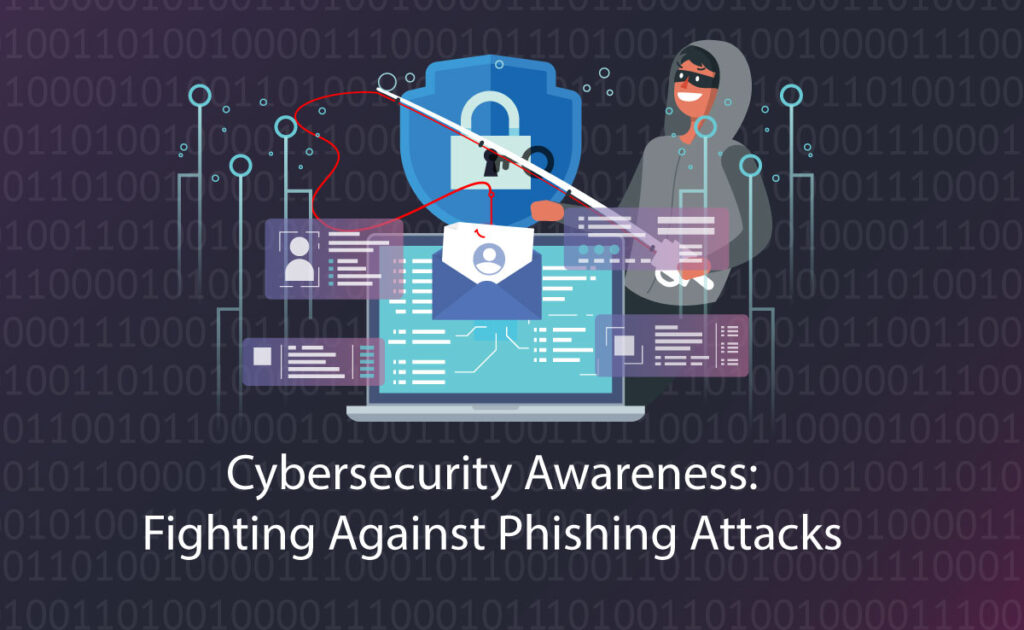
As we conclude this exploration of Cybersecurity Training for Employees: The Best Defense Against Phishing Attacks, it becomes evident that a well-informed workforce is the first line of defense in today's digital landscape. By staying vigilant and continuously improving training initiatives, organizations can fortify their defenses against cyber threats.
Helpful Answers
How often should cybersecurity training be conducted for employees?
Cybersecurity training should ideally be conducted regularly, with refresher courses at least once a year to keep employees updated on the latest threats and defense strategies.
What role do simulated phishing exercises play in cybersecurity training?
Simulated phishing exercises help employees recognize phishing attempts, understand the consequences of falling for them, and practice appropriate responses without real-world risks.
How can organizations tailor cybersecurity training for different departments?
Organizations can tailor training by focusing on department-specific risks, incorporating relevant examples, and customizing scenarios to resonate with the roles and responsibilities of employees in each department.
What metrics are important to measure the effectiveness of cybersecurity training?
Metrics such as click rates on phishing simulation tests, employee feedback on training content, and the number of reported incidents post-training are crucial in assessing the impact of cybersecurity training.

